

How Do I Winterize a Sprinkler System?
In West Texas, winterizing pipes isn’t usually top of mind. We’re used to mild winters, but when a hard freeze hits, unprotected sprinkler systems can quickly turn into costly repairs. In this blog, we’ll walk through how to winterize your sprinkler system and explain why taking a few preventative steps now can help protect your pipes all winter long.
What Is Winterizing?
Winterizing your sprinkler system is the process of removing excess water to prevent frozen or burst pipes. It’s an essential step in preventing costly damage to your irrigation system. When you winterize your sprinkler system, you not only protect your sprinklers, but your property’s water system as well.
How Do I Winterize My Sprinkler System?
1. Locate your backflow preventer
Your backflow preventer is typically located outside your home.
2. Shut down the water supply
Shut off the water flow to your backflow preventer. You can do this by locating the main water line to your home. The water line to your backflow preventer is usually a shorter pipe connected to the main water line. To shut off the water, turn the valve attached to the shorter pipe at a 90-degree angle.
3. Remove indoor drain screws
Once you’ve successfully shut off the water, remove the indoor drain screws. Water will dribble out when you remove the drain cap, so keep a small bucket handy to catch excess water.
4. Locate the test cocks
Outside, near your backflow preventer, locate the test cocks, or the small screws attached to the device. Rotate all ball valves by 45 degrees, or until the screws are in line with the smaller side valves. This releases trapped water and allows it to drain downward. Turning them to a 45-degree angle also helps prevent water from getting trapped and freezing.
5. Remove outdoor drain screws (if applicable)
Similar to removing the indoor drain screws, remove any outdoor drain screws to drain excess water from your pipes. Not all backflow systems have outdoor drain screws, so inspect your system before proceeding with this step.
6. Locate your valve box
Using a screwdriver, remove the valve box cover. Locate your zone valves, then use needle-nose pliers to gently turn them by hand. You should see water drain from the pipe.
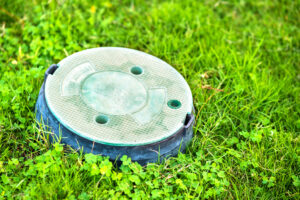
Example of a valve box.
7. Blow out sprinkler lines
If you have experience, remove any remaining water by blowing out your sprinkler lines. However, we highly recommend hiring a professional irrigation contractor for this step. (Disclaimer: If you’re unsure at any point, it’s best to pause and call a professional rather than risk damaging the system.)
Schedule Lubbock Sprinkler Maintenance With Bautista Pros
With Bautista Pros’ sprinkler maintenance package, our experts handle all the hard work for you. Whether you’re prepping for winter or getting ready for the growing season, we’re here to help take the guesswork out of sprinkler maintenance. Sign up for our Sprinkler Maintenance Plan to get started!